Noise-cancelling headphones have become standard equipment for anyone who works from home, shares an open-plan office, or spends time in airports. The difficulty is that the top three products in this category are all good. Choosing between the Sony WH-1000XM5, the Bose QuietComfort Ultra and the Apple AirPods Max is less about finding the best headphones in the abstract and more about matching a product to how you spend your day.
Goldentip4You is an independent research publication. We do not claim laboratory testing for this guide. What follows is built on published specifications, documented feature sets and consistent patterns in owner feedback, cross-referenced with our individual reviews of each model. Where a decision comes down to preference rather than measurement, we say so rather than presenting an opinion as a fact.
The short version: the Sony is the most flexible all-rounder, the Bose leads on comfort and pure quiet, and the AirPods Max only makes sense if most of your devices carry an Apple logo. The rest of this guide explains the reasoning behind that summary in the areas that actually change day-to-day satisfaction — calls, travel comfort, noise cancellation behavior, endurance, ecosystem fit and value.
Quick recommendations
Goldentip4You participates in the Amazon Associates program. If you buy through the links on this page, we may earn a commission at no additional cost to you. This never determines which products we cover or how we assess them.
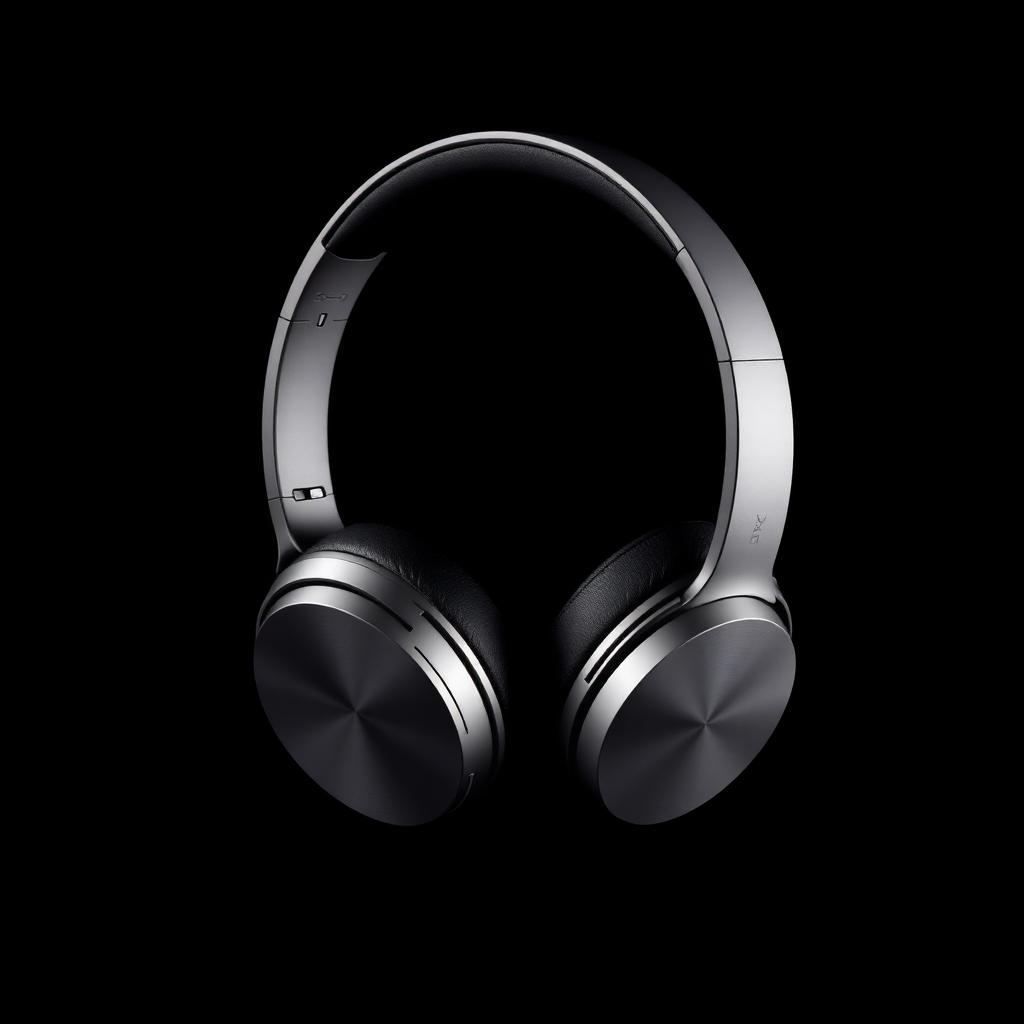
Sony WH-1000XM5
The most balanced option for people who move between calls, focused work and travel. Adaptive noise cancellation, 250g weight and up to 30 hours of battery cover a full week of commuting without much thought.
Pros
- Adaptive active noise cancellation suited to varied environments
- Up to 30 hours of battery life
- Light at 250g for long wearing sessions
- Extensive app control over sound and ANC behavior
Cons
- Earcups do not fold flat into a compact shape
- Glossy headband finish shows marks over time
- App is powerful but takes time to configure well
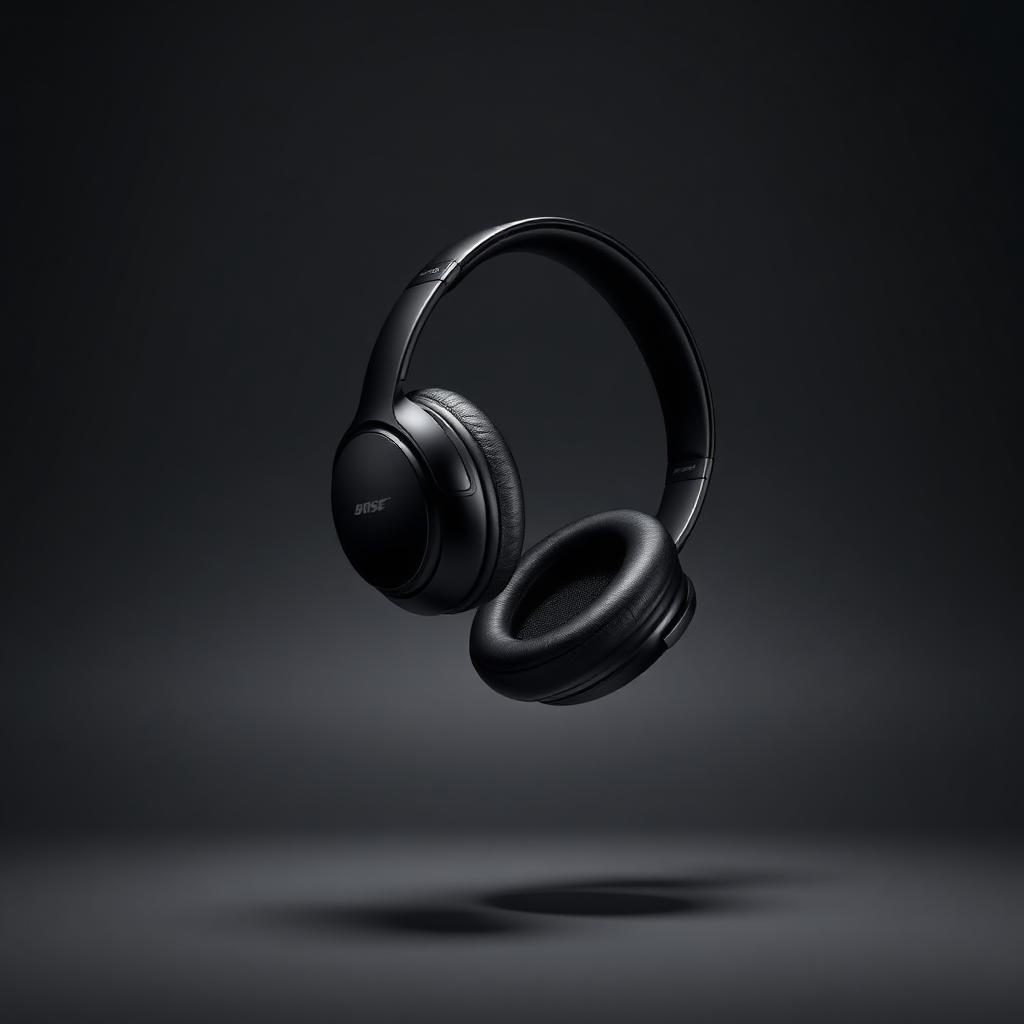
Bose QuietComfort Ultra
Bose builds around comfort and quiet. CustomTune calibration adapts the noise cancellation to the shape of your ears, and at 253g the fit stays manageable across a long flight.
Pros
- CustomTune noise cancellation calibrated per listener
- High comfort levels over extended wear
- Immersive Audio mode for spatial listening
- Bluetooth 5.3 connectivity
Cons
- Up to 24 hours of battery, below the Sony figure
- Immersive Audio reduces endurance when enabled
- Less granular app tuning than Sony offers
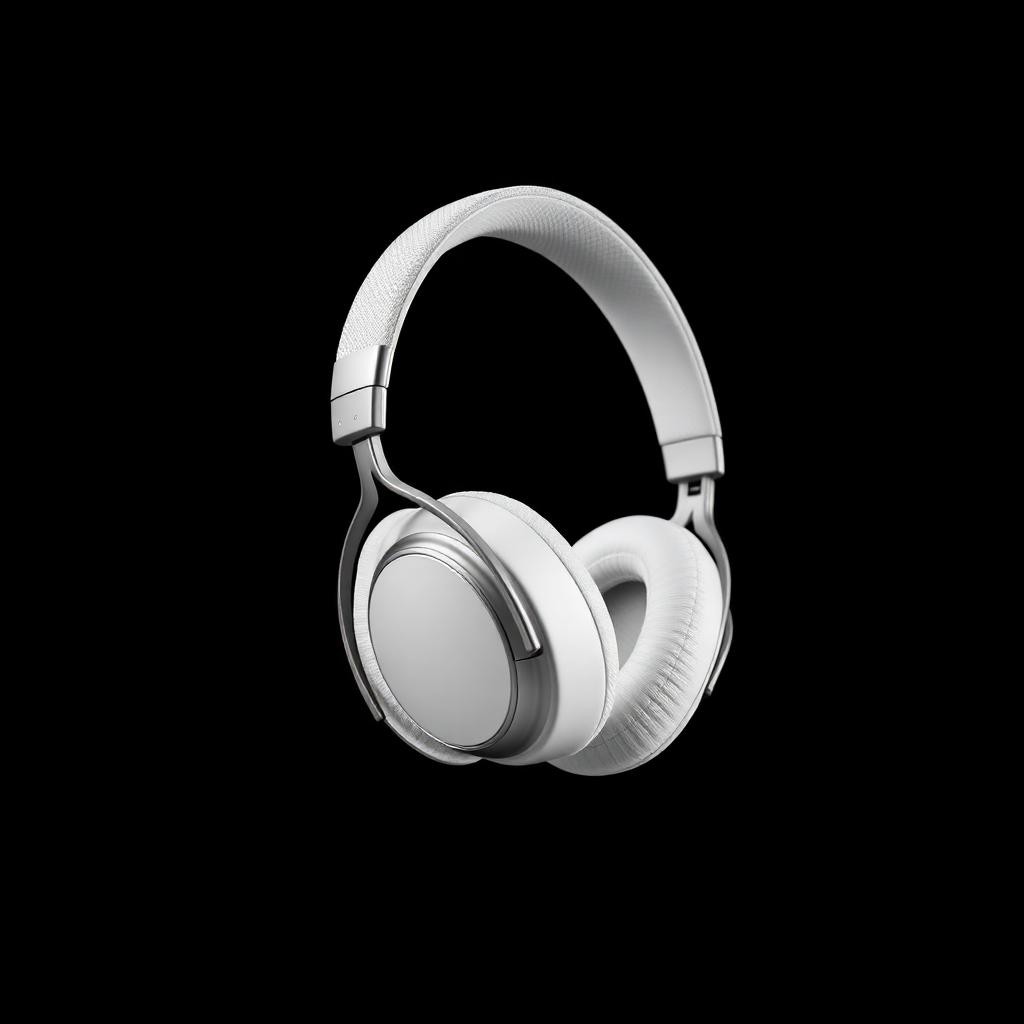
Apple AirPods Max
Designed for users who prioritize Apple integration. Computational noise cancellation, Spatial Audio and automatic device switching are the reasons to choose these over the alternatives.
Pros
- Computational active noise cancellation
- Spatial Audio with head tracking across Apple devices
- Seamless pairing and switching inside the Apple ecosystem
- Machined build with a durable feel
Cons
- 384g makes them the heaviest of the three
- Up to 20 hours of battery life
- Case offers limited physical protection for travel
- Ecosystem features are far less useful outside Apple devices
Side-by-side comparison
Only established, non-price attributes are listed. Street prices change frequently, so we point to Amazon for the current figure rather than publishing numbers that go stale.
| Feature | Sony WH-1000XM5 | Bose QuietComfort Ultra | Apple AirPods Max |
|---|---|---|---|
| Noise cancellation | Adaptive ANC | CustomTune ANC | Computational ANC |
| Battery life | Up to 30 hours | Up to 24 hours | Up to 20 hours |
| Weight | 250g | 253g | 384g |
| Connectivity | Bluetooth 5.2 | Bluetooth 5.3 | Bluetooth 5.0, USB-C |
| Best for | Travel, work, music | Travel, work, immersive audio | Apple ecosystem, Spatial Audio |
For a deeper feature-by-feature breakdown, see our Best Noise-Cancelling Headphones 2026 comparison.
Work calls and meeting audio
If your headphones spend most of their life in video calls, the microphone system matters more than the drivers. All three models handle a quiet home office without complaint. Differences appear in harder conditions: a café, a shared workspace, a room with an air conditioner running behind you.
The Sony WH-1000XM5 is the safest choice here. Its call handling has been a consistent strength in owner reports, and the companion app lets you adjust how aggressively ambient sound is suppressed, which is useful when you need to hear your own voice or a colleague speaking beside you. The Bose QuietComfort Ultra performs strongly on calls as well, with a presentation that many people find clearer for the listener on the other end. The AirPods Max are competent, and their advantage is procedural rather than acoustic: they connect to a Mac or iPhone instantly and switch between them without menus, which removes a small daily friction that adds up across dozens of meetings.
Practical note: none of these three is a dedicated headset. If you take calls for six hours a day in a genuinely loud environment, a boom-mic headset will still outperform any of them. For the mixed reality of most remote jobs — some calls, some focused work, some music — they are all more than adequate.
Travel comfort and how they wear
Comfort is where weight stops being a spec-sheet number and becomes the deciding factor. The Sony sits at 250g and the Bose at 253g, which is effectively the same. The AirPods Max weigh 384g — around fifty percent more — and that difference is noticeable on a transatlantic flight even though the mesh canopy headband spreads the load well.
The Bose QuietComfort Ultra is the model we would suggest for anyone whose main use case is long-haul travel. Bose has built its reputation on earcup pressure that stays tolerable for hours, and the QuietComfort Ultra continues that. The Sony is close behind and marginally more flexible thanks to its lighter feel and simpler controls.
Packing matters too. The Sony earcups swivel but do not fold into the compact shape older models managed, so the case is larger than you might expect. The Bose case is reasonable. The AirPods Max Smart Case is the weak point of an otherwise well-built product: it leaves much of the headband exposed and does not inspire confidence in a packed carry-on.
Noise cancellation in practice
All three use active noise cancellation, but they take different approaches. Sony uses an adaptive system that responds to your surroundings and can adjust based on activity and location. Bose uses CustomTune, which calibrates the cancellation to the acoustics of your individual ears each time you put the headphones on. Apple uses a computational approach tied to its own silicon.
In steady low-frequency environments — an aircraft cabin, a train, a room with HVAC noise — all three remove the bulk of the sound and the remaining differences are small enough that preference decides. Bose is widely regarded as the most effective at flattening constant drone. Sony is the most configurable, which helps in unpredictable environments where you want to switch between full isolation and partial awareness. Apple sits between them and delivers the most transparent-sounding pass-through mode, which is genuinely useful if you want to keep the headphones on while someone talks to you.
One honest caveat that applies to every model: no consumer ANC system removes human speech at the next desk. Voices sit in a frequency range that active cancellation struggles with. If your problem is a chatty office rather than machine noise, expect reduction, not silence.
Battery life and portability
The Sony leads with up to 30 hours, the Bose is rated up to 24 hours and the AirPods Max up to 20 hours. In weekly terms, the Sony comfortably covers a full working week of moderate use on one charge, the Bose usually needs a mid-week top-up, and the AirPods Max realistically wants charging every couple of days.
Bose's Immersive Audio mode reduces endurance when it is switched on, so the 24-hour figure represents standard listening. On the Apple side, the AirPods Max enter a low-power state in the case, which limits idle drain but does not change the underlying capacity.
For frequent flyers, the practical hierarchy is straightforward: the Sony is the model least likely to run out at an inconvenient moment, and it is also the lightest. If your travel involves long days away from an outlet, that combination is hard to argue with.
Ecosystem fit
The Sony and Bose are platform-neutral. They pair the same way with Windows, macOS, Android and iOS, and both companion apps are available on Android and iPhone. If your working life spans a Windows laptop and an Android phone, either of these is the sensible starting point.
The AirPods Max are a different proposition. Automatic device switching, Spatial Audio with head tracking and instant pairing are all real conveniences, and they are all tied to Apple hardware. Used with an iPhone, an iPad and a Mac, they feel like part of a single system. Connected over standard Bluetooth to a Windows machine, they become expensive over-ear headphones with good noise cancellation and no particular advantage over the alternatives. That is the single most important thing to understand before buying them.
Who should choose each model
Choose the Sony WH-1000XM5 if you want one pair of headphones to handle everything and you do not want to think about the decision again. It is the lightest, has the longest rated battery life, offers the most control over how it behaves, and works identically across every platform. This is the default recommendation for most buyers, including remote workers who mix calls with focused listening.
Choose the Bose QuietComfort Ultra if comfort over many consecutive hours is your priority, or if the noise you are fighting is constant mechanical drone. Frequent long-haul travelers tend to gravitate here, and the CustomTune calibration is a genuine differentiator rather than a marketing label. Accept the shorter battery rating as the trade-off.
Choose the Apple AirPods Max if your devices are Apple devices and you value the integration. Spatial Audio, effortless switching and the build quality justify the choice inside that context. Outside it, the extra weight and the shorter battery life are difficult to justify against the other two.
Final recommendation
For most people buying premium noise-cancelling headphones for work and travel in 2026, the Sony WH-1000XM5 is the most sensible purchase. It is not dramatically better than the other two in any single category, and we would not claim otherwise — its strength is that it has no significant weakness across the areas that matter for mixed daily use.
The Bose QuietComfort Ultra is the better answer for a specific and common need: maximum comfort and maximum quiet on long journeys. The Apple AirPods Max is the better answer for a different specific need: deep integration with an Apple-only setup. All three are capable products, and the wrong choice among them is usually a mismatch with the buyer's routine rather than a flaw in the hardware.
Prices change often, so check the current figure on Amazon before deciding. Links on this page are affiliate links; we may earn a commission at no extra cost to you.